Starting your own clothing brand is one of the most rewarding business ventures in today’s market. Fashion is personal, expressive, and constantly evolving, which creates endless opportunities for new entrepreneurs. However, understanding how to start a clothing business the right way requires more than just creative designs. You need a solid plan, the right manufacturing support, and a long-term vision that allows your brand to grow sustainably.
This guide is designed for beginners and aspiring fashion entrepreneurs who want clear, practical guidance. From defining your niche and building your brand to choosing a custom clothing manufacturer and launching production, this article walks you through every essential step. You’ll also learn why working with a professional clothing manufacturing company like IK Industry can give your brand a competitive edge.
Why the Clothing Business Is Still a Strong Opportunity
The global apparel industry continues to grow because clothing is both a necessity and a form of self-expression. Consumers actively seek brands that align with their identity, lifestyle, and values, creating room for new businesses with strong branding and quality products.
Starting a clothing business today is more accessible than ever due to online selling platforms and global manufacturing solutions. With the right approach, entrepreneurs can start small and scale gradually.
Key reasons the clothing business remains profitable:
- Constant consumer demand across all age groups
- Easy access to global markets through eCommerce
- Opportunities for niche and custom-focused brands
Understanding Your Niche and Target Market
One of the most important steps in learning how to start a clothing business is defining your niche. A niche gives your brand clarity and helps customers instantly understand what you offer.
Instead of trying to sell clothing to everyone, focus on a specific audience. When your products speak directly to a defined market, your branding and marketing become more effective.
Popular clothing niches include:
- Streetwear and casual fashion
- Sportswear and activewear
- Custom uniforms and private-label apparel
Creating a Clear Clothing Business Plan
A business plan acts as your roadmap. It keeps your ideas structured and helps you manage costs, timelines, and growth expectations.
Your plan should outline what you want to sell, who you want to sell to, and how you will operate your business. This is especially important when communicating with an apparel manufacturing partner.
A basic clothing business plan should include:
- Brand vision and target audience
- Product categories and pricing strategy
- Manufacturing and marketing approach
Building a Strong Clothing Brand Identity
Your brand identity defines how customers perceive your business. It includes your brand name, logo, colors, messaging, and overall style.
A strong identity builds trust and recognition, especially for online clothing brands where customers cannot physically touch the product before buying.
Elements of a strong brand identity include:
- A memorable and relevant brand name
- Consistent visual design across all platforms
- Clear brand message and values
Designing Products That Customers Want to Buy
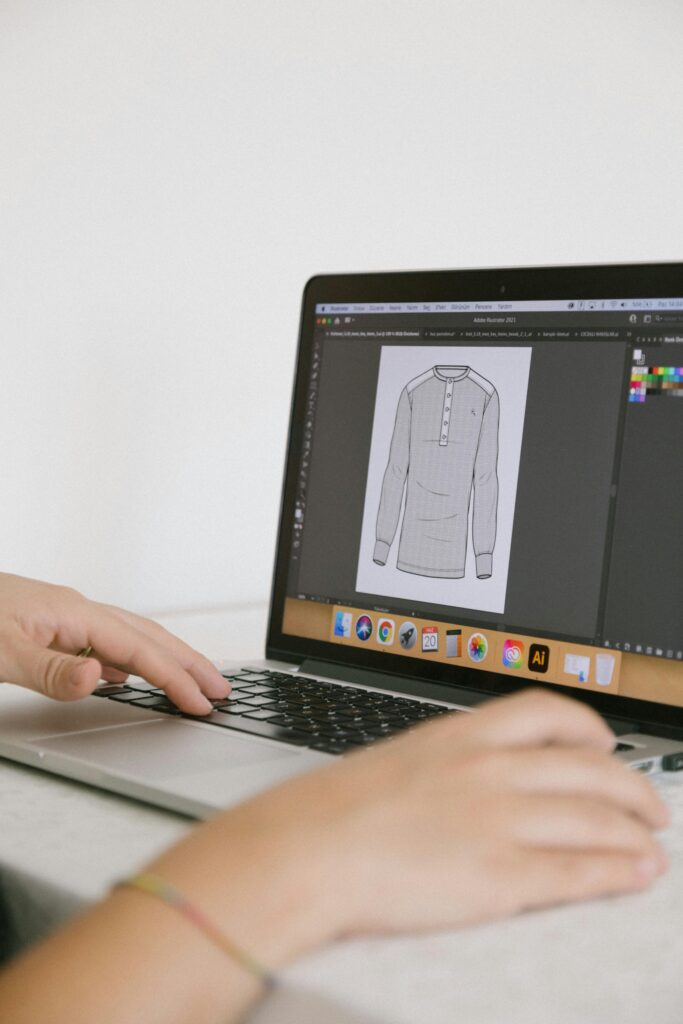
Product design is where creativity meets functionality. While trends can inspire ideas, successful clothing brands focus on comfort, fit, and durability.
Starting with a small collection helps you maintain quality and reduce risk. Your designs should reflect your brand identity and meet customer expectations.
Important design considerations include:
- Fabric quality and comfort
- Accurate sizing and fit
- Printing, embroidery, and finishing details
Choosing the Right Clothing Manufacturer
Choosing the right manufacturer is one of the most critical decisions in how to start a clothing business. Your manufacturer directly affects quality, consistency, and customer satisfaction.
A professional clothing manufacturing company allows you to customize your apparel and scale production smoothly as your brand grows.
When selecting a manufacturer, look for:
- Customization and private-label options
- Reliable communication and transparency
- Experience working with startups and brands
Benefits of Working With a Professional Apparel Manufacturer
Partnering with an experienced manufacturer provides stability and support that new brands often need. It reduces production risks and improves overall efficiency.
A trusted partner ensures that your products meet quality standards while allowing you to focus on branding and sales.
Key benefits of working with a professional partner include:
- Consistent product quality
- Access to an apparel production factory
- Scalable production for future growth
Why Choose Us: What Makes IK Industry Different
Understanding why choose us matters when selecting a manufacturing partner. Not all manufacturers offer the same level of support, transparency, and quality control.
IK Industry stands out as a reliable apparel manufacturing partner due to its experience, flexibility, and customer-focused approach. Their in-house apparel production factory ensures better quality management and smoother production.
Reasons brands choose IK Industry include:
- Custom clothing manufacturing expertise
- Flexible order quantities for startups
- Dedicated support throughout production
Sampling and Production Process Explained
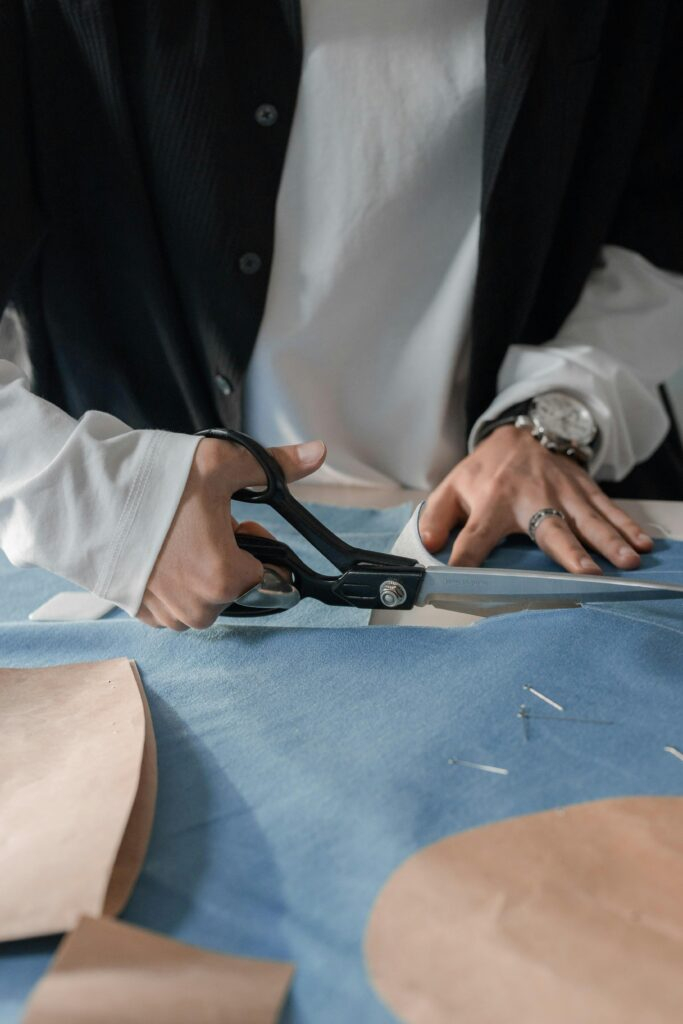
Sampling is a critical step before bulk production. It allows you to review quality, fit, and design accuracy before committing to larger orders.
A structured production process helps reduce errors and ensures consistency across all garments.
The production process typically includes:
- Sample development and approval
- Bulk manufacturing after confirmation
- Quality checks and final delivery
Pricing Your Clothing Products Strategically
Pricing plays a major role in profitability and brand perception. Your prices should reflect quality while remaining competitive within your niche.
Understanding your total costs helps you set prices that support sustainable growth without undercutting your brand value.
Key pricing factors include:
- Manufacturing and shipping costs
- Packaging and marketing expenses
- Desired profit margin
Legal Setup and Business Registration
Registering your business is an essential step before selling. It protects your brand legally and allows you to operate professionally.
Proper registration also builds credibility with suppliers, customers, and payment providers.
Legal setup usually involves:
- Registering your business name
- Choosing a legal structure
- Opening a business bank account
Building Your Online Clothing Store
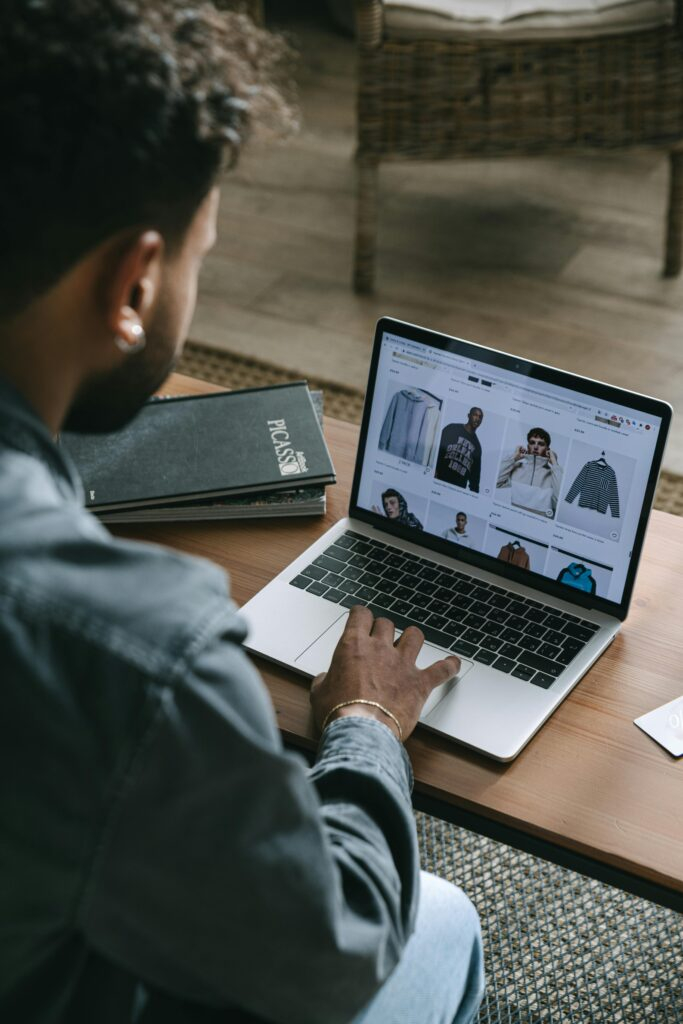
An online store acts as your brand’s digital storefront. It should be easy to navigate, visually appealing, and mobile-friendly.
A professional website increases customer trust and improves conversion rates.
Your clothing website should include:
- High-quality product images
- Clear descriptions and size guides
- Secure and simple checkout
Marketing Your Clothing Business Effectively
Marketing is essential for visibility and sales. Social media platforms are especially powerful for clothing brands due to their visual nature.
Consistent marketing helps build brand awareness and customer loyalty over time.
Effective marketing strategies include:
- Social media content and reels
- Influencer collaborations
- Email marketing campaigns
Scaling Your Clothing Business
Once your brand gains traction, scaling becomes the next goal. Growth should be planned carefully to maintain quality and customer satisfaction.
A reliable manufacturing partner supports expansion without compromising standards.
Scaling may involve:
- Expanding product lines
- Increasing production volume
- Improving branding and packaging
Final Thoughts :
Learning how to start a clothing business requires creativity, planning, and the right partnerships. From defining your niche and designing products to choosing a trusted manufacturer and scaling production, every step matters.
If you’re looking for a dependable custom clothing manufacturer and experienced clothing manufacturing company, IK Industry provides the expertise, transparency, and support needed to turn ideas into high-quality apparel.
Ready to build your clothing brand? Contact a clothing manufacturer you can trust. Get in touch with us at IK Industry today and take the first step toward a successful apparel business.
Frequently Asked Questions (FAQs)
1. How much money do I need to start a clothing business?
The startup cost depends on your business model, product type, and production size. Some brands begin with a small budget by starting with limited designs and small production runs, while others invest more in branding and bulk manufacturing. Working with a clothing manufacturer that offers flexible order quantities can help manage costs.
2. Do I need a manufacturer to start a clothing business?
You can start without a manufacturer using print-on-demand or reselling, but to build a serious brand with consistent quality and customization, working with a custom clothing manufacturer is highly recommended. Manufacturers allow full control over fabrics, sizing, branding, and packaging.
3. How do I find a reliable clothing manufacturer?
A reliable manufacturer should have proven experience, clear communication, sampling options, and quality control processes. Choosing an experienced clothing manufacturing company with an in-house production facility helps ensure consistency and timely delivery.
4. Can I start a clothing business with small order quantities?
Yes. Many manufacturers now support startups by offering small-batch or low MOQ production. This allows new brands to test the market before scaling to larger orders, reducing financial risk.
5. How long does it take to launch a clothing brand?
On average, launching a clothing brand takes between 2 to 6 months. The timeline depends on design development, sampling, manufacturing, and marketing preparation. Working with a professional apparel manufacturing partner can speed up the process.
6. Is online selling better than opening a physical store?
For new brands, selling online is usually more cost-effective and scalable. Online platforms allow you to reach a global audience without the high expenses of rent and staff. Physical stores or pop-ups can be added later as the brand grows.